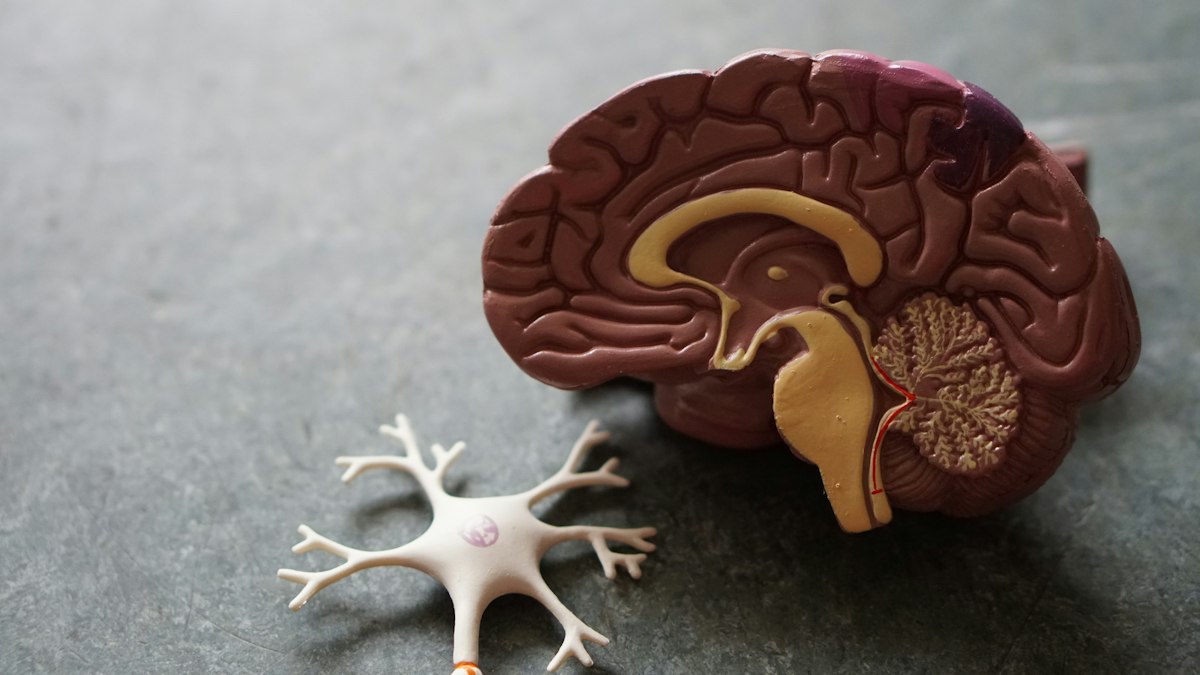
Anxiety is one of the most common health concerns we see at Revival Family Chiropractic — not because people come in saying "I have anxiety," but because so many of the symptoms people describe (poor sleep, muscle tension, difficulty calming down, feeling wired and tired at the same time) are signs of a nervous system that's stuck in overdrive.
The question of whether chiropractic helps anxiety is worth answering carefully — because the honest answer is "it depends, and here's why."
Understanding the Nervous System's Role in Anxiety
Your nervous system has two primary operating modes: sympathetic (fight-or-flight) and parasympathetic (rest-and-digest). In a healthy nervous system, these two modes balance each other. You ramp up when you need to respond to a threat, and you come back down when the threat passes.
Anxiety — in its most basic neurological form — is a nervous system that has difficulty shifting out of sympathetic dominance. The threat response stays activated even when there's no real threat. This produces the familiar symptoms: racing thoughts, muscle tension, shallow breathing, digestive issues, sleep disruption, and a persistent sense of unease.
Chiropractic care doesn't treat anxiety as a psychological condition. What it does is address the physical component of nervous system dysregulation — specifically, how spinal tension and subluxations can keep the nervous system in a state of chronic activation.
The Spine-Nervous System Connection
The spinal cord runs through the vertebral column, and every nerve in your body either originates from or connects to it. When vertebrae are misaligned or restricted in their movement, they create mechanical irritation to the surrounding nerves. This irritation acts as a constant low-level stressor on the nervous system — like a car alarm that won't turn off.
The upper cervical spine (the top of the neck) is particularly important in this context. This region houses the brainstem, which plays a central role in regulating the autonomic nervous system — the system that controls your fight-or-flight and rest-and-digest responses. Tension in this area can directly affect how well your nervous system regulates itself.
What the Research Shows
The research on chiropractic and anxiety is promising but not yet definitive. Here's what the published evidence shows:
- Multiple studies have shown that chiropractic adjustments reduce salivary cortisol levels — a measurable marker of stress response.
- Research on heart rate variability (HRV) — a measure of how well the nervous system balances sympathetic and parasympathetic activity — consistently shows improvements following chiropractic care.
- Several case studies and small trials report patient-reported reductions in anxiety symptoms following a course of chiropractic care.
- A 2021 systematic review found that spinal manipulation had a positive effect on autonomic nervous system function in multiple studies.
We want to be clear: this is not the same as saying "chiropractic cures anxiety." The research doesn't support that claim, and we wouldn't make it. What the evidence does support is that chiropractic care can meaningfully improve nervous system regulation — and for people whose anxiety has a strong physiological component, that can make a real difference.
How We Measure Nervous System Function at Revival
One of the things that sets Revival Family Chiropractic apart is that we don't rely on how you feel to measure progress. We use the INSiGHT neurological scan — a non-invasive technology that measures heart rate variability, muscle tension patterns, and thermal asymmetry along the spine. This gives us objective data about your nervous system's current state and lets us track actual changes over time.
For patients dealing with anxiety, this is particularly valuable. It means we can show you — not just tell you — what's changing in your nervous system as care progresses.
Who Is This Most Likely to Help?
In our experience, chiropractic care tends to be most helpful for anxiety when:
- There's a strong physical component — muscle tension, poor sleep, fatigue, digestive issues alongside the anxiety
- The anxiety has been present since a physical event — a car accident, a difficult pregnancy, a period of chronic stress
- Standard approaches (therapy, medication) have helped but haven't fully resolved the physical symptoms
- The person is looking for a drug-free, non-invasive complement to their existing care
Frequently Asked Questions
Can chiropractic replace therapy or medication for anxiety?
No — and we'd never suggest it should. Chiropractic care addresses the physical, nervous-system component of anxiety. For many people, it works best as part of a broader approach that may include therapy, lifestyle changes, and in some cases medication. We're one piece of the puzzle, not the whole picture.
How does chiropractic affect the nervous system?
Spinal adjustments reduce mechanical irritation to the nerves exiting the spine, which can shift the nervous system from a sympathetic (fight-or-flight) dominant state toward a parasympathetic (rest-and-digest) dominant state. This is measurable — we use the INSiGHT neurological scan to track these changes objectively.
How many visits does it take to notice a difference?
Most patients notice some change in how they feel within 4–6 visits. Nervous system changes take time — we're not treating a symptom, we're changing a pattern. Dr. Bryan will give you a realistic care plan after your initial evaluation.
Is this approach evidence-based?
The research on chiropractic and anxiety is emerging, not definitive. There are published studies showing reductions in cortisol, improvements in heart rate variability (a measure of nervous system balance), and patient-reported reductions in anxiety symptoms. We're honest about what the research shows and what it doesn't.
Do you see kids with anxiety at Revival Family Chiropractic?
Yes. Anxiety, sensory processing challenges, and nervous system dysregulation in children are areas we work with regularly. The approach is the same — gentle, specific adjustments aimed at reducing nervous system interference.
Start With a Nervous System Assessment
We'll run the INSiGHT scan and give you objective data about your nervous system — no guesswork, no pressure.
Book a Visit